The Enduring Lessons of Discipline, Justice, and Duty – Insights from Joe De Sena

Joe De Sena, the relentless founder of Spartan Races and a man who embodies the spirit of pushing limits, recently shared some profound reflections that resonate deeply. Having personally experienced the challenge and reward of several Spartan Races, his words carry a weight that comes from real-world application of tough principles. His recent post laid out stark lessons from history and offered a powerful framework for navigating life’s challenges.

He wrote:

  • Sparta’s lesson: Discipline without justice = collapse.
  • Rome’s lesson: Wealth without discipline = collapse.
  • Religion’s lesson: Prosperity endures only when tied to duty.

These aren’t just historical footnotes; they are timeless truths that echo in our personal lives and the broader world around us. Sparta, renowned for its rigorous discipline, ultimately faltered when that discipline wasn’t tempered by fairness and equity. The mighty Roman Empire, swimming in wealth and luxury, crumbled when its citizens lost the foundational discipline that built it. And across many faiths, the concept of prosperity being linked to one’s responsibility and purpose remains a cornerstone.

So, what’s “The Hard Way” answer to these enduring lessons, according to De Sena? It’s this:

Don’t get seduced by wealth or comfort. Don’t run from ambition, but don’t let it consume you either. Strip it down, tie it to duty, and build discipline that survives success.

This is a potent recipe for a resilient life. It’s not about shunning success or ease, but rather about maintaining a core of discipline and purpose that anchors you when the winds of fortune shift. Ambition is a powerful engine, but without the guidance of duty and the structure of discipline, it can easily lead to imbalance and eventual downfall.

The essence of “The Hard Way” philosophy, as De Sena articulates here, is about building a foundation that can withstand the inevitable tests life throws our way. Whether it’s the challenges of building a business, maintaining a healthy lifestyle, or simply navigating the complexities of human relationships, the principles remain the same.

His concluding thought is particularly striking:

Because sooner or later, every empire (and every individual) faces the same test. Can you stay hard when life gets easy?

This is the ultimate question. It’s easy to be tough when facing adversity, but can we maintain that same level of discipline, that same commitment to our duties, when comfort and ease beckon? The lessons from Sparta, Rome, and the wisdom of many traditions suggest that our ability to stay grounded and disciplined in times of prosperity is the true measure of our strength and the key to long-term endurance.

Joe De Sena’s words serve as a powerful reminder to strip away the excess, connect our ambitions to a sense of duty, and cultivate a discipline that isn’t just about enduring hardship, but about thriving through all seasons of life. What are your strategies for staying “hard” when life gets easy? Share your thoughts…

What's Possible?
What’s Possible?

A Tale of Two Trends: Why Resilience and Experience Are Key

I like to cut to the chase and get to what’s really happening in the residential real estate market.

We’ve got a lot to unpack, from inflation woes to a surprisingly resilient housing landscape.


Macroeconomic Trends: A Mixed Bag

July’s numbers are in, and they’re a bit of a head-scratcher. Inflation is still on the rise, with both consumer and wholesale prices climbing. It seems to be a persistent threat that’s not going away anytime soon. Yet, despite this, retail sales are holding strong, a testament to consumer resilience. Small business optimism is also back on the upswing, even amid the uncertainty. This tells me that while there are headwinds, people are finding ways to adapt and thrive.


Housing Market Snapshot: A Look Around the Country

Let’s zero in on some market data:

National: The national picture is a bit more optimistic. Existing home sales increased by 2.0% in July, and the median home price was up 0.2% year-over-year to $422,400. Inventory also saw a slight bump, giving buyers more options. The key takeaway is that the national market is showing resilience, with sales inching up. Median days on market: 63

California: The market here is cooling off a bit, but it’s far from a crash. July home sales trailed last year’s levels for the fourth straight month, with existing single-family home sales at a seasonally adjusted annualized rate of 261,820. The statewide median home price was $884,050, a slight dip from both June and July of last year. While affordability remains a challenge, it’s a more balanced market where deals are still getting done. Median days on market: 63

Florida: Florida’s market mirrored broader trends. Closed sales for single-family homes were down 2.8% from July of last year. However, the statewide median sales price was $410,000, a modest 1.7% decrease year-over-year. The supply of homes is at 5.4 months, a sign of a more balanced market compared to the previous year. Median days on market: 91

Texas: In Texas, the market followed typical summer trends with sales slowing and prices adjusting. For example, Central Texas saw a 7.9% decrease in sales from July 2024, with the median price at $435,000, down 3.3%. However, new listings and active listings are up, which is great news for buyers and suggests a more balanced market. Median days on market: 77

New York: New York’s housing market is experiencing a shift: while the statewide median price was up 4.9% year over year to $451,000 in July, closed sales were down 2.3%. Median days on market: 56


A Look at Today’s Agents: Experience Matters

This is the part that should resonate with all of us. The latest National Association of REALTORS (NAR) report highlights a trend: the industry is getting older and more experienced. The median age of NAR members is now 57, up from 55 last year, and the median number of years of experience has increased to 12, up from 10.

This shift isn’t just about age; it’s about wisdom.

A majority of agents — 74%— are “very certain” they’ll stick with real estate for the next two years. This is a powerful signal. Despite market shifts, agents are not giving up. They’re hunkering down, leveraging their experience, and preparing to tough it out.

So, what’s the takeaway?

  • The market is shifting, not collapsing.
  • The agents who are succeeding are those with the experience and commitment to weather the storms.
  • This is a time to lean on your skills, adapt your strategies, and show your clients the value that only a seasoned professional can provide.
A System Will Produce What A System Will Produce, Nothing Less and Nothing More!

Stop Trying to Control Everything: A Real Estate Pro’s Guide to Thriving in Uncertainty

In real estate, we live in a world of variables. We’re juggling fluctuating interest rates, unpredictable client emotions, and a market that can turn on a dime. For broker owners, team leaders, and top-producing agents, the desire for control is strong. We want to be in command of our schedules, our deals, and our outcomes.

But what happens when an inspection uncovers a major issue, or a client gets cold feet at the last minute? When our desire for control meets the unpredictable reality of our business, it can lead to burnout and frustration.

A recent article from Psychology Today offers some powerful insights that are surprisingly relevant to our industry. It’s a reminder that true strength isn’t about controlling everything; it’s about mastering your response to what you can and can’t control.


1. You Choose Your Response

“Whatever information I’m given, I have a choice about what to do next.”

The market might be hot or cold, but you always have a choice about how you react. When inventory is low, you can choose to double down on prospecting for new listings. When rates spike, you can choose to become an expert on creative financing options.


2. Prepare for All Outcomes

“The information or result I get could be better or worse than I expect.”

This is a universal truth in real estate. The best-looking deal on paper can fall apart, and the most challenging listing can lead to a quick, painless close. By preparing for a range of outcomes, you’re never caught completely off guard.


3. Control Your Actions, Not the Results

“I can control these actions, but I can’t control this outcome.”

You can’t force a buyer to make an offer or a seller to accept it. But you can control the quality of your communication, the thoroughness of your marketing, and the professionalism of your negotiation. Focus on what’s in your sphere of influence.


4. Good Processes Lead to Good Outcomes (Eventually)

“Good decision processes can lead to bad outcomes, and vice versa.”

Sometimes you do everything right—you pre-qualified the buyer, the inspection was clean, the financing was solid—and the deal still falls apart. That doesn’t mean your process was bad; it just means the outcome was beyond your control. Stick to your proven systems.


5. Focus on What You Can Control

“I can control X, but not Y.”

A client might not qualify for the loan, but you can control providing them with a list of reputable mortgage brokers. A showing might be a no-show, but you can control how you follow up. Focus on the tangible actions you can take to move your business forward.


6. Embrace Imperfection

“I can choose to make no new mistakes, or I can choose to make progress on my goals, but I can’t choose both.”

Perfectionism is the enemy of progress. The best agents and brokers I know are the ones who aren’t afraid to fail. They see every challenge and every lost listing as a chance to learn and adapt.


7. Your Success is Built on Mistakes

“My biggest achievements have contained many mistakes.”

Think about your biggest wins in this business. I can almost guarantee that somewhere in that story, there was a deal that fell apart, a client you lost, or a time you completely misjudged the market. Those failures didn’t derail your success; they were the tough lessons that forged the skills you needed to get to where you are today.

Let’s all give ourselves permission to let go of the need for perfect control. Embrace the uncertainty, learn from the journey, and trust in your ability to adapt. That’s not just a way to cope; it’s the path to becoming an unstoppable real estate professional.

What's Possible?
What’s Possible?

Building the Plane While It’s Flying? That’s Just Real Estate.

Let’s be real. “Building the plane while it’s flying” isn’t just a metaphor… it’s how we operate every single day in this business. The real estate market doesn’t pause for us to get our ducks in a row. Our clients don’t wait while we upgrade our systems. This constant, mid-air change is the new normal, and it impacts everyone in the brokerage.


What it Looks Like on the Ground (and in the Air)

  • For the CEO: You’re running a business that’s already in flight. You can’t just stop everything to vet a new CRM or revamp your recruiting strategy. You have to roll out changes while the current systems are still live, agents are still closing deals, and the business continues its trajectory. It’s about making a pivot without crashing.
  • For the Recruiter: Your job is to attract talent to a moving target. You’re selling a vision of a brokerage that’s always getting better, always adding new tools, and always adapting to the market. You need to be confident in where the plane is headed, even as the crew is adding new engines.
  • For the Staff: You are the crew chief. You have to learn new software, manage updated processes, and support agents through changes – all without missing a beat. Your job is to make the transition seamless and keep the operation running smoothly, even when things feel a little turbulent.
  • For the Agent: You’re in the cockpit. You have to adopt new tools, learn a new MLS system, and adapt your marketing strategy on the fly. Your clients expect you to be an expert, and that means you can’t hit the “pause” button on your business to catch up.

How to Land Safely

Successfully navigating this constant state of change isn’t about avoiding turbulence – it’s about handling it well.

  1. Communicate Constantly: Over-communicate every change, big or small. Explain why a new tool is being implemented and how it will benefit everyone. This isn’t just about what you’re doing, but why.
  2. Start Small: Don’t try to fix everything at once. Pilot a new system with a small group of agents first. Get their feedback. Fix the bugs. Then, roll it out to the rest of the team. Incremental change is much safer than a massive overhaul.
  3. Provide Real Support: Don’t just send out an email and call it a day. Offer hands-on training, quick tutorials, and a clear point of contact for questions. Make sure people feel supported, not left to fend for themselves.
  4. Embrace the Feedback Loop: Your team on the ground knows what’s working and what’s not. Listen to them. Their input is crucial for making the next iteration better.

In the end, this is just the reality of the game we’re in. The most successful brokerages aren’t the ones that avoid change. They’re the ones that build a strong culture around it and learn to fly the plane with confidence while making it better in flight.

A System Will Produce What A System Will Produce, Nothing Less and Nothing More!

From a Single Seed to a Thriving Business

It’s easy to look at a top-producing real estate agent, a successful team manager, or the CEO of a leading firm and feel like their achievements are a world away from your own. You see the finished product—the bustling office, the impressive sales records, the widespread reputation—and it’s easy to feel like your current position is insignificant in comparison.

But let’s think about this a different way. A single brick has more in common with a skyscraper than it does with a pile of sand. A small, handcrafted prototype has more in common with a mass-produced product than a vague idea. A single, well-cultivated seed has more in common with a sprawling garden than it does with an empty patch of earth.

Every successful real estate career starts with a single, foundational action.

The initial efforts in any venture can feel almost trivial. You’re building a website that gets very few hits, you’re making follow-up calls that don’t immediately result in a listing, or you’re spending hours on a marketing plan that feels like it will never be fully realized. These tasks can seem small and disconnected from your ultimate goals. It’s easy to talk yourself out of them because the grand vision seems so distant.

However, every skyscraper is built one brick at a time. Every breakthrough product starts with a single prototype. Every thriving garden begins with a single seed. The real question isn’t about your current position; it’s about your current momentum.

Are you building, growing, and moving forward, even in small ways?

Inaction builds nothing.

Taking that one small step—securing one new lead, crafting one compelling property description, or mentoring one junior agent—is all it takes to start building something great.

Start with that one brick. Plant that one seed. Take that first step. That small, initial action, no matter how insignificant it feels, is the most crucial part of your journey toward success.

What's Possible?
What’s Possible?

The Real Cost of the Next Deal

I’ve been thinking about the relentless pace of our industry. We’re all in the chase—for the next listing, the next closing, the next recruitment. But I recently came across a powerful idea from a thought leader I follow that’s been rattling around in my head:

the danger of wanting the wrong things.

The culture we operate in, and the world at large, constantly trains us to want a specific life: one of comfort, status, and endless accumulation. It tells us that success is measured by the number of sales, the size of our team, or the awards on the shelf. But this path, I believe, is a trap. It leaves us chasing a finish line that constantly moves, never quite feeling satisfied.

The real antidote is to flip that script. Instead of chasing more, what if we chased less? Less comfort, less distraction, and less excuses. The real prize isn’t the commission check or the fancy car; it’s the professional you become in the process of earning them. That’s the part that truly lasts.

This struggle is happening inside all of us, every single day. It’s the difference between the agent who obsesses over mastering their craft and the one who just wants to beat their colleagues on the leaderboard. It’s the broker who is committed to building a great team and a strong culture versus the one who just wants to be the #1 ranked firm. One path leads to a temporary high; the other leads to lasting fulfillment.

The world says to want more stuff, more options, and more comfort. But what if the path to true freedom lies in wanting less of those things? What if the goal isn’t to make our professional lives easier, but to make ourselves tougher and more resilient?

Maybe the ultimate ambition isn’t about rising higher than others; it’s about becoming a better professional and a better person.

As you go after your goals this week, ask yourself:

Are you building a professional legacy or a gilded cage?

Less is more!
Less is more!

Stop Waiting for Luck: Start Telling Your Story

Do you ever feel like some agents just have all the luck? They get the perfect listing, a fantastic buyer lead, or a referral from out of the blue. It’s easy to think they’re just in the right place at the right time. But what if “luck” wasn’t something you waited for, but something you actively created?

It might sound too simple, but one of the most powerful tools you have is your own voice. The more you talk about what you’re working on, the more you attract opportunities. This isn’t just about broadcasting your successes on social media. It’s about having genuine conversations with everyone in your sphere—your friends, your family, the person you grab coffee from every morning.

When you tell someone, “I’m helping a family find a bigger home because their kids are getting older,” or “I’m looking for a specific type of property for a client,” you’re planting a seed. You’re giving them a clear, tangible way to help you. People want to support you, but they can’t help if they don’t know what you need. By sharing your current projects and goals, you open the door for them to connect you with the right person or the perfect opportunity. Don’t be afraid to be specific. That’s how luck finds you.

Action Is the Antidote to Anxiety

Every real estate professional knows the feeling: a deal that’s on the verge of falling apart, a market that feels unpredictable, or the pressure of a slow month. These situations can create a paralyzing anxiety that makes it hard to move forward. When we’re caught in a cycle of fear and worry, we often feel stuck.

The good news? The cure for this anxiety isn’t wishful thinking—it’s action.

Think about a difficult client situation or a tough negotiation. When you’re just thinking and worrying about it, the problem seems to get bigger and scarier. But the moment you pick up the phone, write the email, or sit down to create a new strategy, the fear starts to shrink. Each small step you take, no matter how imperfect or slow, is progress.

Progress is what reduces the fear. Making a phone call to gather more information, researching a new marketing angle, or even just outlining the possible solutions helps you regain a sense of control. You’re no longer a passive victim of the problem; you’re actively working to solve it. This proactive mindset transforms anxiety into productive energy.

So, the next time you feel that knot of worry, don’t just sit with it. Take one small action. You’ll be amazed at how quickly the fear fades as you start making progress.

Some is better than none

Beyond Motivation: Why Commitment is the Key to Recruiting Top Agents

Another tough week is in the books, filled with distractions and diversions. As leaders, it’s easy to feel overwhelmed and get sidetracked from our most important goals. Lately, I’ve been thinking a lot about what truly separates the offices that consistently attract experienced agents from those that struggle.

It all boils down to a single, powerful word: commitment.

We’ve all heard the quote:

Commitment means staying loyal to what you said you were going to do… long after the mood you said it in has left you.

This is especially true in the world of recruitment. Most offices don’t fail to grow because they lack desire or an initial strategy. They fail because they lack a plan they’re willing to commit to when life gets inconvenient.

You know the drill. You create the vision board, set ambitious recruitment goals, and get excited about bringing in top talent. Then life hits. A recruiting dry spell. A potential agent goes silent. A promising offer falls through. And just like that, the initial motivation is gone.

But here’s the thing:

Motivation was never supposed to carry you. Your commitment was.

Think of it like building a solid financial future. You don’t just save when it’s easy, and you don’t just budget when you’re in the mood. You consistently follow through with your financial plan because your future depends on it. The same principle applies to building a powerhouse team or firm.

When you’re truly committed to your recruitment strategy, you don’t just network when it’s convenient. You don’t just follow up when you feel like it. You consistently refine your value proposition, reach out, and nurture relationships because the growth and future of your office depend on it.

Three Questions for Self-Reflection

Today, I want all of us—myself included—to ask three important questions:

  1. Am I truly committed to attracting experienced agents, or just casually interested in it?
  2. Do I have a concrete, actionable recruitment plan, or just a pile of good intentions?
  3. Can I stay loyal to this long game even when I don’t feel like it?

The agents and offices that succeed aren’t just the ones who work hard; they’re the ones who work smart and stay consistent. Motivation will always fade, but discipline builds a strong, thriving organization.

Commit. Execute. Repeat.

Consistency is undefeated.

Here’s to keeping our commitments and building the organizations we envision.

To your continued success.

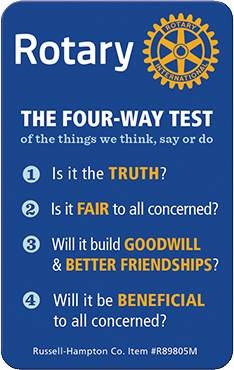
Doing the right thing is always the right thing.

Beyond the Percentage: Justifying Your Value

For those of you who joined me this morning, great conversation. For those that missed? My notes:

We talked about a critical shift in how we approach our buyers and sellers (or if you’re an owner or recruiter, your prospects). New research confirms what many of us are already feeling: traditional sales tactics are losing some edge.

The other conversation today? I’ve never taken a percentage to the bank—only dollars. Justifying your value is a deeper conversation.


What Today’s Buyers & Sellers Really Want

Your clients and prospects don’t want more “just checking in” emails or voicemails. They’re not looking to be “educated” with generic information. They’re ghosting unnecessary contact because they’re burned out on being chased.

What they really want is:

  • Control: They’ve done their research and want to feel empowered, not pushed.
  • Relevance: Every interaction needs to be timely, useful, and directly address their specific needs.
  • Their Time Back: They’re overwhelmed and busy. They value meaningful engagements over high-volume, low-impact touches.

The data is clear: a significant portion of their decision-making happens before they’re ready for a deep conversation.


Shifting Our Approach

Instead of focusing on “getting the meeting” or “more touches,” what if we prioritized delivering insight?

  • Lead with Value, Not the Ask: Before you even think about showing a home or listing a property, offer something genuinely useful.
    • For buyers: “Here are some recent off-market opportunities in your preferred neighborhood, thought these might be helpful.”
    • For sellers: “This is what top-performing homes in your area are doing to attract multiple offers right now.”
  • Make “Contracts” Feel Human: Instead of rigid “this is how we work” pitches, try, “Would it make sense for us to spend 15 minutes discussing a few common challenges buyers face in this market?” This builds trust and respect.
  • Embrace Client-Led Discovery: Empower your clients to self-diagnose and explore. Offer short videos, self-assessment checklists, or ROI calculators. Let them warm up on their own time, then invite a deeper conversation.

Focus on Metrics That Matter

Ditch activity metrics (like “number of calls made”) that don’t drive real results. Instead, track:

  • Engagement signals: Who’s actually opening your market updates or clicking your guides?
  • Quality conversations and meetings held: How many interactions truly uncover a client’s pain points or aspirations that lead to engagement?
  • Velocity: How quickly are interested clients moving from initial contact to qualified dialogue?

The bottom line: The modern real estate client doesn’t want more outreach; they want better engagement. This isn’t about working less; it’s about working smarter, with empathy and precision. Something uniquely human!

Your challenge this week:

  • Audit one piece of your client interaction.
    • Does it create pressure or curiosity?
    • Does it lead with an ask or offer something genuinely useful?
  • Fix that, and everything downstream gets easier.
What's Possible?
What’s Possible?

#WinTheDay to win the week!

P.S. For my CEO, Recruiter, and Talent Attraction followers—the same principles apply! This could make a solid sales meeting topic/discussion… along with the 19-point gap assessment.

Your Past: A School or a Jail? A Lesson for Every Real Estate Leader

I had a fantastic catch-up call with Coach Greg Benjamin recently, and he left me with a gem that hit me squarely between the eyes:

“Use the past as a school, not a jail.”

In our line of work—whether you’re a broker-owner, a recruiter, or an agent on the front lines—that single sentence holds a universe of truth. The world of real estate is littered with would-haves, could-haves, and should-haves. The deal that fell apart at the 11th hour. The top agent you couldn’t retain. The market shift you didn’t see coming fast enough.

It’s easy to let those moments become the bars of a cell. We replay the conversations, second-guess our decisions, and let the fear of repeating those mistakes dictate our future moves. That’s the jail. It leads to paralysis, rumination, and being stuck.

But what if we saw it differently? What if every setback was just a lesson plan? That’s the school. One that leads to growth, learning, and unstoppable forward momentum.

This resonates so deeply with what I’ve learned from sailing. There’s a clear and powerful separation of roles when you’re on the water:

  • God’s part: The how (the strength and direction of the wind) and the when (the timing of the tides). These are the market forces, the interest rate hikes, the client who gets cold feet—the things completely out of my control.
  • My part: The what (steering the vessel) and the why (keeping my eyes fixed on the destination). This is my strategy, my mindset, my team’s culture, my commitment to my goals.

For too long, the jail of my past was built with the guilt and shame of old storms—the deals I lost, the opportunities I missed. I was trying to control the wind. But the school of my future is being built with the grace and growth I find on the open water. I can’t command the tides, but I can learn to read them better. I can’t stop a squall, but I can teach my crew (and myself) how to secure the sails and navigate through it.

  • That failed deal from last year? It’s not a monument to your failure. It’s a masterclass in negotiation or contract clauses.
  • The agent who left for a competitor? That’s not a personal rejection. It’s a Ph.D. in culture, compensation plans, and value proposition.
  • A slow quarter? It’s not a verdict on your ability. It’s a curriculum on lead generation, budgeting, and building a more resilient business.

The power is in the pivot from “Why did this happen to me?” to “What is this trying to teach me?”

So, I’ll ask you the same question I’m asking myself today:

How do you ensure you’re using your past as a school?

Mark Sailing
MJ Sailing Around Dana Point