Speed to Lead: Why Every Second Counts in Real Estate

As a CEO broker-owner, manager, staff member, or real estate agent, you know the hustle is real. You’re constantly juggling appointments, following up with clients, and trying to stand out in a crowded market. But what if I told you that one small change could dramatically improve your results and give you a huge competitive advantage?

I’m talking about speed to lead—the time it takes for your business to respond to an inbound lead. It’s not about being a little faster; it’s about being lightning fast. Because in today’s digital world, every second counts. The data is clear: the first business to respond is almost always the one that wins the deal.

Why Is Speed to Lead So Critical?

Think about how you use the internet. When you have a question or need a service, you want an answer now. Your clients are no different. They have high expectations and low patience. If they reach out to you and don’t get a quick response, they’ll simply move on to the next agent or brokerage.

According to Verse.ai the source of this study, The Impressive Impact of Speed to Lead: 5 Ways to Shorten Response Time, leads go cold in minutes, not hours or days. The stats are jaw-dropping:

  • 78% of customers buy from the business that responds first.
  • Leads are 21x more likely to convert if contacted within five minutes.
  • After just one hour, the likelihood of making successful contact with a lead drops by 10x.

These numbers aren’t just statistics; they are a direct reflection of your business’s success. A faster response time means you’re more likely to make contact, qualify the lead, and ultimately close the sale. It also shows your clients you respect their time, building trust and strengthening relationships from the very first interaction.


5 Ways to Drastically Improve Your Speed to Lead

So, how can you improve your speed to lead without hiring a round-the-clock team or burning out your agents? The key is leveraging technology and smart processes.

  1. Automate First Outreach: This is a game-changer. By using AI-powered tools, you can ensure an immediate follow-up for every single lead, no matter the time of day. Advanced conversational AI can send a text, start a conversation, and answer basic questions within seconds of an inquiry.
  2. Maintain 24/7 Coverage: Did you know that 45% of leads come in outside of normal business hours? If you’re not responding until the next morning, those leads have already gone cold. Automation and AI tools can bridge this gap, ensuring every lead gets a response, even when your team is offline.
  3. Implement Instant Notifications: Your agents can’t be fast if they don’t know a lead has come in. Ditch the manual processes. Use your CRM to instantly notify agents via email, Slack, or SMS the moment a new lead arrives.
  4. Enable Self-Service: Empower clients to get what they need immediately. Consider adding a self-serve appointment-setting function on your website or a chat widget that can answer frequently asked questions. This can eliminate the need for an immediate agent follow-up and improve the customer experience.
  5. Score Your Leads: Not all leads are created equal. By assigning a score to each lead based on their engagement and qualifications, you can help your team prioritize who to contact first. This ensures your most qualified, high-priority leads get the attention they deserve—and fast.

The Bottom Line

In real estate, a swift response isn’t just a courtesy; it’s a strategic necessity. By focusing on your speed to lead, you can unlock better results across your entire pipeline, from initial contact to closing the deal.

Are you ready to stop letting valuable leads slip through your fingers and start putting your business on the fast track to success?

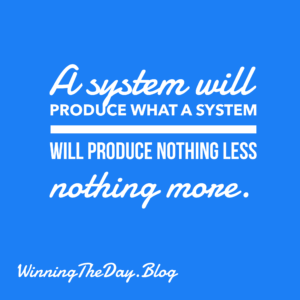
A System Will Produce What A System Will Produce, Nothing Less and Nothing More!

What Fuels Your Fire? The Science of Lasting Motivation for Real Estate Leaders

What truly motivates you?

The common belief is that motivation is a mysterious force that some people have and others don’t. We often chase big commissions, awards, or public recognition, believing that external rewards are the key to staying driven. But what if the real secret to lasting motivation is something far more powerful and personal?

Harvard researcher Teresa Amabile, whose work on creativity and engagement spans decades, has a different take. She discovered that the most powerful motivator isn’t the finish line—the prize, the perk, or the big sale. Instead, it’s the sense of forward movement, even in the smallest steps.

She calls this the “progress principle.”

Think about that moment when you finally solve a complex problem for a client, get a buyer under contract after weeks of searching, or simply check off a dozen calls on your to-do list. These small wins, or “micro-moments,” are what fuel the fire. They create a quiet yet powerful energy, reminding you that your hard work matters and is moving you toward something worthwhile.

This isn’t just a psychological trick; it’s a deep truth about human nature. As leaders and high-performing agents, your work is more than a transaction—it’s about helping people make one of the most significant decisions of their lives. Seeing progress in that meaningful work isn’t just a psychological boost; it’s a way of affirming your purpose.

The challenge is that progress is often invisible. You can put in a full day’s work and feel like you’ve barely scratched the surface. So, how do we make this hidden value visible?

Here are five strategies based on Amabile’s research, tailored for your world:


1. Keep a “Done” List

Instead of only focusing on what’s still on your plate, spend a few minutes at the end of each day writing down what you’ve accomplished. This could be anything from a successful negotiation to a follow-up email you finally sent. Seeing a growing list of completed tasks is a powerful, tangible source of encouragement that can help you feel more productive and in control.

2. Break Down Big Goals into Milestones

Closing a year with 50 transactions or leading a top-producing team can feel like a massive, endless task. Instead, break these large goals into smaller, more manageable milestones. Celebrate when you hit ten transactions, when your team signs a new agent, or when you complete a new training course. Reaching each milestone reminds you that the greater goal is not only possible but already well underway.

3. Use Visual Cues

Make your progress tangible. This could be as simple as using a calendar to track your prospecting days, a whiteboard to show your team’s sales pipeline, or a notebook where you jot down your daily wins. A physical marker makes the intangible visible and keeps you focused on your momentum.

4. Celebrate Micro-Moments

Don’t wait for the big closing to celebrate. Take a moment to acknowledge a successful showing, a client’s positive feedback, or a difficult conversation handled with grace. Sharing these small wins with your team or a trusted colleague reinforces positive behavior and builds momentum.

5. Revisit Your “Why”

Tracking progress isn’t just about counting tasks—it’s about reconnecting with the meaning behind them. At the end of the day, ask yourself: How did today’s effort contribute to what matters most to me? Whether it’s providing for your family, building a legacy, or helping people find their dream home, linking your progress back to your purpose is the ultimate motivator.


Motivation isn’t a mysterious force you either have or don’t.

It’s a flame you can stoke and maintain by paying attention to the small, steady unfolding of your work. By making your progress visible, you give yourself the gift of noticing that you are already moving, already building, and already participating in something far greater than yourself.

This post was inspired by the work of Harvard researcher Teresa Amabile, as highlighted in a recent article from the Catechetical Institute at Franciscan University.

Do The Next Right Thing!

The Enduring Lessons of Discipline, Justice, and Duty – Insights from Joe De Sena

Joe De Sena, the relentless founder of Spartan Races and a man who embodies the spirit of pushing limits, recently shared some profound reflections that resonate deeply. Having personally experienced the challenge and reward of several Spartan Races, his words carry a weight that comes from real-world application of tough principles. His recent post laid out stark lessons from history and offered a powerful framework for navigating life’s challenges.

He wrote:

  • Sparta’s lesson: Discipline without justice = collapse.
  • Rome’s lesson: Wealth without discipline = collapse.
  • Religion’s lesson: Prosperity endures only when tied to duty.

These aren’t just historical footnotes; they are timeless truths that echo in our personal lives and the broader world around us. Sparta, renowned for its rigorous discipline, ultimately faltered when that discipline wasn’t tempered by fairness and equity. The mighty Roman Empire, swimming in wealth and luxury, crumbled when its citizens lost the foundational discipline that built it. And across many faiths, the concept of prosperity being linked to one’s responsibility and purpose remains a cornerstone.

So, what’s “The Hard Way” answer to these enduring lessons, according to De Sena? It’s this:

Don’t get seduced by wealth or comfort. Don’t run from ambition, but don’t let it consume you either. Strip it down, tie it to duty, and build discipline that survives success.

This is a potent recipe for a resilient life. It’s not about shunning success or ease, but rather about maintaining a core of discipline and purpose that anchors you when the winds of fortune shift. Ambition is a powerful engine, but without the guidance of duty and the structure of discipline, it can easily lead to imbalance and eventual downfall.

The essence of “The Hard Way” philosophy, as De Sena articulates here, is about building a foundation that can withstand the inevitable tests life throws our way. Whether it’s the challenges of building a business, maintaining a healthy lifestyle, or simply navigating the complexities of human relationships, the principles remain the same.

His concluding thought is particularly striking:

Because sooner or later, every empire (and every individual) faces the same test. Can you stay hard when life gets easy?

This is the ultimate question. It’s easy to be tough when facing adversity, but can we maintain that same level of discipline, that same commitment to our duties, when comfort and ease beckon? The lessons from Sparta, Rome, and the wisdom of many traditions suggest that our ability to stay grounded and disciplined in times of prosperity is the true measure of our strength and the key to long-term endurance.

Joe De Sena’s words serve as a powerful reminder to strip away the excess, connect our ambitions to a sense of duty, and cultivate a discipline that isn’t just about enduring hardship, but about thriving through all seasons of life. What are your strategies for staying “hard” when life gets easy? Share your thoughts…

What's Possible?
What’s Possible?

A Tale of Two Trends: Why Resilience and Experience Are Key

I like to cut to the chase and get to what’s really happening in the residential real estate market.

We’ve got a lot to unpack, from inflation woes to a surprisingly resilient housing landscape.


Macroeconomic Trends: A Mixed Bag

July’s numbers are in, and they’re a bit of a head-scratcher. Inflation is still on the rise, with both consumer and wholesale prices climbing. It seems to be a persistent threat that’s not going away anytime soon. Yet, despite this, retail sales are holding strong, a testament to consumer resilience. Small business optimism is also back on the upswing, even amid the uncertainty. This tells me that while there are headwinds, people are finding ways to adapt and thrive.


Housing Market Snapshot: A Look Around the Country

Let’s zero in on some market data:

National: The national picture is a bit more optimistic. Existing home sales increased by 2.0% in July, and the median home price was up 0.2% year-over-year to $422,400. Inventory also saw a slight bump, giving buyers more options. The key takeaway is that the national market is showing resilience, with sales inching up. Median days on market: 63

California: The market here is cooling off a bit, but it’s far from a crash. July home sales trailed last year’s levels for the fourth straight month, with existing single-family home sales at a seasonally adjusted annualized rate of 261,820. The statewide median home price was $884,050, a slight dip from both June and July of last year. While affordability remains a challenge, it’s a more balanced market where deals are still getting done. Median days on market: 63

Florida: Florida’s market mirrored broader trends. Closed sales for single-family homes were down 2.8% from July of last year. However, the statewide median sales price was $410,000, a modest 1.7% decrease year-over-year. The supply of homes is at 5.4 months, a sign of a more balanced market compared to the previous year. Median days on market: 91

Texas: In Texas, the market followed typical summer trends with sales slowing and prices adjusting. For example, Central Texas saw a 7.9% decrease in sales from July 2024, with the median price at $435,000, down 3.3%. However, new listings and active listings are up, which is great news for buyers and suggests a more balanced market. Median days on market: 77

New York: New York’s housing market is experiencing a shift: while the statewide median price was up 4.9% year over year to $451,000 in July, closed sales were down 2.3%. Median days on market: 56


A Look at Today’s Agents: Experience Matters

This is the part that should resonate with all of us. The latest National Association of REALTORS (NAR) report highlights a trend: the industry is getting older and more experienced. The median age of NAR members is now 57, up from 55 last year, and the median number of years of experience has increased to 12, up from 10.

This shift isn’t just about age; it’s about wisdom.

A majority of agents — 74%— are “very certain” they’ll stick with real estate for the next two years. This is a powerful signal. Despite market shifts, agents are not giving up. They’re hunkering down, leveraging their experience, and preparing to tough it out.

So, what’s the takeaway?

  • The market is shifting, not collapsing.
  • The agents who are succeeding are those with the experience and commitment to weather the storms.
  • This is a time to lean on your skills, adapt your strategies, and show your clients the value that only a seasoned professional can provide.
A System Will Produce What A System Will Produce, Nothing Less and Nothing More!

The Chasm Between Knowing and Doing: Why High-Performers Don’t Always Act on What They Know

We’ve all been there. You’re at a conference, listening to a top coach, and you have that “aha!” moment. You think, “That’s it! I know exactly what I need to do to take my business to the next level.” You feel energized, you take notes, and you leave with a clear plan.

But then… life happens. The calls come in, the clients need you, and that perfectly crafted plan gets buried under the day-to-day chaos.

This isn’t just about a lack of discipline. For high-performing agents, brokers, and recruiters, it’s often a different kind of challenge. You’re already successful, so the immediate pressure to change isn’t there. You’re busy, and the “little things” feel insignificant compared to the big deals you’re closing.


The ‘Why’ Behind the ‘Don’t Do It’

So, why do we know we should do something but still don’t do it?

  • The “Busy-ness” Trap: You’re constantly in motion, prioritizing revenue-generating activities. Tracking expenses or mileage feels like a chore, a non-income-producing task. It’s easy to rationalize it by saying, “My time is better spent on closing a deal.”
  • The Overwhelm of Small Tasks: When you’re dealing with six-figure commissions, the idea of saving a few hundred or a few thousand dollars on taxes seems like a minor detail. The mental energy required to track every receipt feels disproportionate to the perceived reward.
  • The ‘I’ll Do It Later’ Syndrome: This is a classic procrastination loop. The intention is there, but it’s always pushed off until “the end of the week” or “the end of the month,” which rarely comes. This leads to a mad scramble at tax time, often resulting in missed deductions.

The High Cost of Inaction

Ignoring these “small” things comes with a high price.

  • Financial Impact: Let’s say you drive 10,000 business miles a year. At the current IRS rate, that’s a significant deduction you’re leaving on the table. And what about those business lunches, marketing materials, or staging expenses? A few hundred dollars here and there can quickly add up to thousands in lost savings. This isn’t just about saving money; it’s about retaining more of the money you’ve already earned.
  • Missed Opportunities for Business Insight: When you don’t track your expenses, you lose visibility into your business. You don’t know your true cost of sale, your most effective marketing channels, or where you might be overspending. This data is critical for making strategic decisions to scale your business.
  • Mental & Emotional Toll: Procrastination leads to stress and anxiety, especially as tax season approaches. The person who tracks their expenses regularly has peace of mind. The one who doesn’t faces a mountain of work and the fear of an audit.

Simple Solutions for the High Performer

The good news is, these challenges are fixable. Here are a few simple solutions:

  • Leverage Technology: There are countless apps designed for real estate professionals—Expensify, MileIQ, or simple accounting software like QuickBooks Self-Employed. These tools automate the process, so you’re not manually logging everything. A quick scan of a receipt or a tap on your phone is all it takes.
  • Create a Simple Routine: The goal is to make it a habit, not a chore. Schedule 10 minutes every Friday to input your expenses for the week. Or, even better, do it on the spot. Take a picture of the receipt the moment you get it. This “micro-action” approach prevents the mountain from ever building.
  • Reframe the Task: Don’t think of it as “tracking expenses.” Think of it as securing your profits or investing in your business’s financial health. It’s not a chore; it’s a strategic move.

The gap between knowing and doing is where the true difference lies. It’s not the secret strategy that will propel you forward; it’s the consistent application of the fundamentals. The most successful professionals aren’t just the ones who know what to do—they’re the ones who do it.

What’s one small thing you can start doing today to bridge that gap?

Doing the right thing is always the right thing.

Stop Trying to Control Everything: A Real Estate Pro’s Guide to Thriving in Uncertainty

In real estate, we live in a world of variables. We’re juggling fluctuating interest rates, unpredictable client emotions, and a market that can turn on a dime. For broker owners, team leaders, and top-producing agents, the desire for control is strong. We want to be in command of our schedules, our deals, and our outcomes.

But what happens when an inspection uncovers a major issue, or a client gets cold feet at the last minute? When our desire for control meets the unpredictable reality of our business, it can lead to burnout and frustration.

A recent article from Psychology Today offers some powerful insights that are surprisingly relevant to our industry. It’s a reminder that true strength isn’t about controlling everything; it’s about mastering your response to what you can and can’t control.


1. You Choose Your Response

“Whatever information I’m given, I have a choice about what to do next.”

The market might be hot or cold, but you always have a choice about how you react. When inventory is low, you can choose to double down on prospecting for new listings. When rates spike, you can choose to become an expert on creative financing options.


2. Prepare for All Outcomes

“The information or result I get could be better or worse than I expect.”

This is a universal truth in real estate. The best-looking deal on paper can fall apart, and the most challenging listing can lead to a quick, painless close. By preparing for a range of outcomes, you’re never caught completely off guard.


3. Control Your Actions, Not the Results

“I can control these actions, but I can’t control this outcome.”

You can’t force a buyer to make an offer or a seller to accept it. But you can control the quality of your communication, the thoroughness of your marketing, and the professionalism of your negotiation. Focus on what’s in your sphere of influence.


4. Good Processes Lead to Good Outcomes (Eventually)

“Good decision processes can lead to bad outcomes, and vice versa.”

Sometimes you do everything right—you pre-qualified the buyer, the inspection was clean, the financing was solid—and the deal still falls apart. That doesn’t mean your process was bad; it just means the outcome was beyond your control. Stick to your proven systems.


5. Focus on What You Can Control

“I can control X, but not Y.”

A client might not qualify for the loan, but you can control providing them with a list of reputable mortgage brokers. A showing might be a no-show, but you can control how you follow up. Focus on the tangible actions you can take to move your business forward.


6. Embrace Imperfection

“I can choose to make no new mistakes, or I can choose to make progress on my goals, but I can’t choose both.”

Perfectionism is the enemy of progress. The best agents and brokers I know are the ones who aren’t afraid to fail. They see every challenge and every lost listing as a chance to learn and adapt.


7. Your Success is Built on Mistakes

“My biggest achievements have contained many mistakes.”

Think about your biggest wins in this business. I can almost guarantee that somewhere in that story, there was a deal that fell apart, a client you lost, or a time you completely misjudged the market. Those failures didn’t derail your success; they were the tough lessons that forged the skills you needed to get to where you are today.

Let’s all give ourselves permission to let go of the need for perfect control. Embrace the uncertainty, learn from the journey, and trust in your ability to adapt. That’s not just a way to cope; it’s the path to becoming an unstoppable real estate professional.

What's Possible?
What’s Possible?

Building the Plane While It’s Flying? That’s Just Real Estate.

Let’s be real. “Building the plane while it’s flying” isn’t just a metaphor… it’s how we operate every single day in this business. The real estate market doesn’t pause for us to get our ducks in a row. Our clients don’t wait while we upgrade our systems. This constant, mid-air change is the new normal, and it impacts everyone in the brokerage.


What it Looks Like on the Ground (and in the Air)

  • For the CEO: You’re running a business that’s already in flight. You can’t just stop everything to vet a new CRM or revamp your recruiting strategy. You have to roll out changes while the current systems are still live, agents are still closing deals, and the business continues its trajectory. It’s about making a pivot without crashing.
  • For the Recruiter: Your job is to attract talent to a moving target. You’re selling a vision of a brokerage that’s always getting better, always adding new tools, and always adapting to the market. You need to be confident in where the plane is headed, even as the crew is adding new engines.
  • For the Staff: You are the crew chief. You have to learn new software, manage updated processes, and support agents through changes – all without missing a beat. Your job is to make the transition seamless and keep the operation running smoothly, even when things feel a little turbulent.
  • For the Agent: You’re in the cockpit. You have to adopt new tools, learn a new MLS system, and adapt your marketing strategy on the fly. Your clients expect you to be an expert, and that means you can’t hit the “pause” button on your business to catch up.

How to Land Safely

Successfully navigating this constant state of change isn’t about avoiding turbulence – it’s about handling it well.

  1. Communicate Constantly: Over-communicate every change, big or small. Explain why a new tool is being implemented and how it will benefit everyone. This isn’t just about what you’re doing, but why.
  2. Start Small: Don’t try to fix everything at once. Pilot a new system with a small group of agents first. Get their feedback. Fix the bugs. Then, roll it out to the rest of the team. Incremental change is much safer than a massive overhaul.
  3. Provide Real Support: Don’t just send out an email and call it a day. Offer hands-on training, quick tutorials, and a clear point of contact for questions. Make sure people feel supported, not left to fend for themselves.
  4. Embrace the Feedback Loop: Your team on the ground knows what’s working and what’s not. Listen to them. Their input is crucial for making the next iteration better.

In the end, this is just the reality of the game we’re in. The most successful brokerages aren’t the ones that avoid change. They’re the ones that build a strong culture around it and learn to fly the plane with confidence while making it better in flight.

A System Will Produce What A System Will Produce, Nothing Less and Nothing More!

From a Single Seed to a Thriving Business

It’s easy to look at a top-producing real estate agent, a successful team manager, or the CEO of a leading firm and feel like their achievements are a world away from your own. You see the finished product—the bustling office, the impressive sales records, the widespread reputation—and it’s easy to feel like your current position is insignificant in comparison.

But let’s think about this a different way. A single brick has more in common with a skyscraper than it does with a pile of sand. A small, handcrafted prototype has more in common with a mass-produced product than a vague idea. A single, well-cultivated seed has more in common with a sprawling garden than it does with an empty patch of earth.

Every successful real estate career starts with a single, foundational action.

The initial efforts in any venture can feel almost trivial. You’re building a website that gets very few hits, you’re making follow-up calls that don’t immediately result in a listing, or you’re spending hours on a marketing plan that feels like it will never be fully realized. These tasks can seem small and disconnected from your ultimate goals. It’s easy to talk yourself out of them because the grand vision seems so distant.

However, every skyscraper is built one brick at a time. Every breakthrough product starts with a single prototype. Every thriving garden begins with a single seed. The real question isn’t about your current position; it’s about your current momentum.

Are you building, growing, and moving forward, even in small ways?

Inaction builds nothing.

Taking that one small step—securing one new lead, crafting one compelling property description, or mentoring one junior agent—is all it takes to start building something great.

Start with that one brick. Plant that one seed. Take that first step. That small, initial action, no matter how insignificant it feels, is the most crucial part of your journey toward success.

What's Possible?
What’s Possible?

The Real Cost of the Next Deal

I’ve been thinking about the relentless pace of our industry. We’re all in the chase—for the next listing, the next closing, the next recruitment. But I recently came across a powerful idea from a thought leader I follow that’s been rattling around in my head:

the danger of wanting the wrong things.

The culture we operate in, and the world at large, constantly trains us to want a specific life: one of comfort, status, and endless accumulation. It tells us that success is measured by the number of sales, the size of our team, or the awards on the shelf. But this path, I believe, is a trap. It leaves us chasing a finish line that constantly moves, never quite feeling satisfied.

The real antidote is to flip that script. Instead of chasing more, what if we chased less? Less comfort, less distraction, and less excuses. The real prize isn’t the commission check or the fancy car; it’s the professional you become in the process of earning them. That’s the part that truly lasts.

This struggle is happening inside all of us, every single day. It’s the difference between the agent who obsesses over mastering their craft and the one who just wants to beat their colleagues on the leaderboard. It’s the broker who is committed to building a great team and a strong culture versus the one who just wants to be the #1 ranked firm. One path leads to a temporary high; the other leads to lasting fulfillment.

The world says to want more stuff, more options, and more comfort. But what if the path to true freedom lies in wanting less of those things? What if the goal isn’t to make our professional lives easier, but to make ourselves tougher and more resilient?

Maybe the ultimate ambition isn’t about rising higher than others; it’s about becoming a better professional and a better person.

As you go after your goals this week, ask yourself:

Are you building a professional legacy or a gilded cage?

Less is more!
Less is more!

Stop Waiting for Luck: Start Telling Your Story

Do you ever feel like some agents just have all the luck? They get the perfect listing, a fantastic buyer lead, or a referral from out of the blue. It’s easy to think they’re just in the right place at the right time. But what if “luck” wasn’t something you waited for, but something you actively created?

It might sound too simple, but one of the most powerful tools you have is your own voice. The more you talk about what you’re working on, the more you attract opportunities. This isn’t just about broadcasting your successes on social media. It’s about having genuine conversations with everyone in your sphere—your friends, your family, the person you grab coffee from every morning.

When you tell someone, “I’m helping a family find a bigger home because their kids are getting older,” or “I’m looking for a specific type of property for a client,” you’re planting a seed. You’re giving them a clear, tangible way to help you. People want to support you, but they can’t help if they don’t know what you need. By sharing your current projects and goals, you open the door for them to connect you with the right person or the perfect opportunity. Don’t be afraid to be specific. That’s how luck finds you.

Action Is the Antidote to Anxiety

Every real estate professional knows the feeling: a deal that’s on the verge of falling apart, a market that feels unpredictable, or the pressure of a slow month. These situations can create a paralyzing anxiety that makes it hard to move forward. When we’re caught in a cycle of fear and worry, we often feel stuck.

The good news? The cure for this anxiety isn’t wishful thinking—it’s action.

Think about a difficult client situation or a tough negotiation. When you’re just thinking and worrying about it, the problem seems to get bigger and scarier. But the moment you pick up the phone, write the email, or sit down to create a new strategy, the fear starts to shrink. Each small step you take, no matter how imperfect or slow, is progress.

Progress is what reduces the fear. Making a phone call to gather more information, researching a new marketing angle, or even just outlining the possible solutions helps you regain a sense of control. You’re no longer a passive victim of the problem; you’re actively working to solve it. This proactive mindset transforms anxiety into productive energy.

So, the next time you feel that knot of worry, don’t just sit with it. Take one small action. You’ll be amazed at how quickly the fear fades as you start making progress.

Some is better than none